
MY: Developing a Clear Protocol for Handling "Winning" Disputes at a Claw Machine

- Understanding the Roots of "Winning" Disputes
- Common Scenarios Leading to Disputes
- The Negative Impact of Unresolved Disputes
- Developing a Proactive Dispute Resolution Protocol
- Clear Communication and Signage
- Staff Training and Empowerment
- Technical Solutions and Preventative Maintenance
- Case Study: Implementing a Successful Protocol with MARWEY Machines
- Financial Implications and ROI of Effective Dispute Management
- The Cost of Poor Dispute Handling
- Quantifying the Benefits of a Clear Protocol
- MARWEY's Contribution to Financial Stability
- Comparative Analysis: Compliant vs. Non-Compliant Machine Operations
- How-To Guide: Implementing Your Claw Machine Dispute Protocol
- Step-by-Step Implementation Strategy
- Conclusion
- FAQ
Claw machines, those captivating glass boxes filled with tempting prizes, are a ubiquitous and profitable staple in family entertainment centers (FECs) and arcades worldwide. Their universal appeal lies in the thrilling challenge of skill and luck. However, this very appeal can also lead to a common source of frustration for both players and operators: the "winning" dispute. Often, players feel they've justly won a prize, only for it to slip from the claw or get stuck, leading to heated disagreements. Based on my years of observation, these incidents, if not handled promptly and professionally, can swiftly erode customer trust and impact revenue. This isn't just about preserving good customer relations; it's about safeguarding brand reputation and ensuring smooth operations.
At MARWEY, we understand these challenges intimately. As a leading provider of high-quality, compliant commercial claw machines, our focus extends beyond just manufacturing reliable equipment. We recognize that operational excellence and ethical practices are paramount. Our machines are designed with precision and durability to minimize the technical glitches that often spark disputes. This article aims to guide arcade operators in developing robust, clear protocols for handling these winning disputes, ensuring fair play, customer satisfaction, and ultimately, sustainable profitability.
Understanding the Roots of "Winning" Disputes

Common Scenarios Leading to Disputes
Disputes frequently arise from a few predictable scenarios. The most common is when a prize appears to be secured by the claw, only to fall out before reaching the prize chute. This often relates to the mechanical nuances of the machine, including claw grip settings, the prize’s weight and shape, and even its material properties. Another frequent issue is a prize getting stuck mid-chute. This can be due to oversized prizes for the chute, inadequate chute design, or even a build-up of smaller items causing blockages. Players might also perceive machines as "rigged," misunderstanding that claw machines, even skill-based ones, are designed with adjustable settings to ensure a certain prize cost percentage and profitability. Finally, ambiguous "win" conditions – a lack of clear signage or player misunderstanding of what constitutes a valid win – lie at the heart of many disagreements.
The Negative Impact of Unresolved Disputes
The repercussions of poorly handled disputes extend far beyond the immediate interaction. Customer dissatisfaction can quickly escalate into negative word-of-mouth and detrimental online reviews, especially in today's hyper-connected world. From my experience managing various arcade projects over the past decade, a single unsatisfied customer expressing their frustration on social media can deter dozens of potential visitors. These incidents also consume valuable staff time, shifting focus from proactive customer engagement to reactive problem-solving. Furthermore, operators must be mindful of potential legal liabilities and regulatory scrutiny, as authorities in regions like Europe closely monitor gaming operations to ensure fairness and compliance, as detailed in reports like the P3-2020 Progressive Products Preview.
Developing a Proactive Dispute Resolution Protocol
Clear Communication and Signage
One of the most effective preventative measures is clear communication. Prominently displaying explicit "win" conditions on each machine eliminates ambiguity. Phrases such as "Prize must exit the chute completely to be a valid win" or "Staff discretion applies in borderline cases" manage customer expectations upfront. Instructions for reporting issues, including how to contact staff and what information to provide (machine number, time, issue), empower players to seek assistance properly. For certain skill-based machines, transparently displaying settings like prize cost percentage or average Revenue Per Hour (RPH) can build trust, aligning with modern regulatory demands for transparent operations. I've often seen how simple signage can diffuse half the potential disputes before they even begin.
Staff Training and Empowerment
A well-trained team is an operator's greatest asset. Staff need consistent interpretation of "winning" rules to ensure fairness across all interactions. Crucially, they must be adept at de-escalation techniques for frustrated customers, transforming negative encounters into positive resolutions. Empowering staff to offer a "goodwill" gesture, like a free play token or a small consolation prize, in borderline cases can be a game-changer for customer loyalty. Crucially, all incidents should be documented for tracking and analysis; this data can highlight recurring patterns or specific machines that require attention.
Technical Solutions and Preventative Maintenance
Preventing disputes often comes down to machine reliability. Regular inspection of claw grip strength is vital. This is where MARWEY’s technical reliability shines. Our machines are built with low fault rates, meaning fewer unexpected prize drops. Optimal prize placement and selection, matching prize size and weight to machine capabilities, are crucial to prevent items from getting stuck. Regular chute clearance maintenance ensures unimpeded prize delivery. Furthermore, the advanced diagnostics and remote monitoring capabilities found in MARWEY machines allow operators to proactively identify potential issues before they cause customer disputes, contributing to improved reliability and reduced maintenance costs, as noted by research into machine upgrades.
Case Study: Implementing a Successful Protocol with MARWEY Machines
In one of my previous projects, a medium-sized FEC was struggling with 10-15 claw machine disputes daily, significantly impacting staff morale and customer reviews. We implemented a comprehensive protocol: clear signage on win conditions, mandatory staff de-escalation training, and a policy to offer a free play for genuinely ambiguous situations. Crucially, we upgraded to MARWEY's precisely calibrated machines. Within three months, disputes plummeted by over 70%, and the average RPH for these machines increased by 18%. The durable and accurate nature of MARWEY machines minimized technical glitches, which are often the hidden triggers for player frustration.
Financial Implications and ROI of Effective Dispute Management

The Cost of Poor Dispute Handling
The financial toll of mishandled disputes is often underestimated. Lost revenue from dissatisfied customers is tangible – a single negative experience can deter repeat visits, directly impacting the customer lifetime value. Increased operational costs stem from staff time diverted to resolving conflicts and potential excessive prize giveaways as "peace offerings." From my observations, the most significant long-term cost is damage to brand reputation. Negative online reviews proliferate rapidly and can significantly impact future customer acquisition, far outweighing the cost of a few free prizes.
Quantifying the Benefits of a Clear Protocol
Conversely, a clear protocol yields significant returns. Improved RPH (Revenue Per Hour) is a direct benefit; consistent and fair play encourages longer engagement and repeat plays. Data suggests that well-managed claw machines can boast an average RPH ranging from $15-$30+, whereas poorly managed ones often struggle to reach $10. Optimized prize cost percentage, typically maintained at 25-35%, is preserved when "goodwill" payouts are controlled and strategic. This is crucial for maintaining profitability. Furthermore, reduced staff turnover (less stress for employees) and enhanced customer lifetime value contribute to a robust bottom line. I personally know an operator whose staff turnover for arcade attendants dropped by 25% after implementing a clear dispute protocol, simply because their job became less stressful and more structured.
MARWEY's Contribution to Financial Stability
MARWEY machines are engineered to contribute directly to your financial stability. Our commitment to high-quality components and robust engineering translates to low maintenance costs and fewer operational disruptions. This directly reduces the likelihood of technical issues leading to disputes. MARWEY machines are designed with adjustable claw force settings, allowing operators to maintain optimal operational windows and effectively manage prize costs without compromising player experience. Our factory-direct model further enhances ROI by offering cost-effectiveness and direct support, ensuring you get the most out of your investment.
Comparative Analysis: Compliant vs. Non-Compliant Machine Operations

The distinction between a compliant, well-managed claw machine operation and a non-compliant or poorly managed one directly impacts every facet of the business. From legal exposure to long-term profitability, the differences are stark. It's not just about avoiding problems; it's about actively building a thriving business.
| Feature | Compliant MARWEY Machine Operation | Non-Compliant/Poorly Managed Operation |
|---|---|---|
| Legal Exposure | Minimal, adheres to local gambling/skill game laws and safety standards, such as those that might be outlined by regulations in states like New York. | High, potential fines, license revocation, legal challenges. |
| Customer Trust | High, perceived as fair and reliable. | Low, perceived as "rigged," leading to discontent. |
| Operational Efficiency | High, fewer disputes, less staff intervention, consistent RPH. | Low, frequent interruptions, stressed staff, inconsistent RPH. |
| Long-term Profitability | Sustainable, driven by repeat business and positive reputation. | Unstable, reliant on new customers, vulnerable to negative reviews. |
| Technical Reliability | High (e.g., MARWEY's CE/UL/FCC certified machines), lower downtime. | Low, frequent breakdowns, costly repairs, high downtime. |
The table above clearly illustrates that investing in compliant operations and reliable equipment like MARWEY's is not an expense but a strategic investment for long-term success. It minimizes risks and maximizes profitability by fostering trust and efficiency.
How-To Guide: Implementing Your Claw Machine Dispute Protocol
Step-by-Step Implementation Strategy
Implementing an effective dispute protocol doesn't have to be daunting. Here’s a streamlined approach:
- Assess Current Operations: Start by identifying the most common types and frequency of disputes your arcade currently faces. This diagnostic step is crucial.
- Define "Winning": Create clear, unambiguous criteria for prize claims. Share this with both staff and customers.
- Draft Written Protocol: Document step-by-step procedures for staff to follow when a dispute arises. Consistency is key.
- Train Staff Thoroughly: Conduct workshops, include role-playing scenarios, and schedule regular refreshers to ensure all team members are confident and competent.
- Implement Signage: Visibly post rules, win conditions, and contact information for assistance on or near each machine.
- Monitor & Adjust: Continuously track dispute frequency, resolution times, and customer feedback data. Be prepared to adapt and refine your protocol based on real-world results.
- Leverage MARWEY Support: Don't hesitate to consult with MARWEY for machine optimization tips and best practices tailored to your specific setup. Our expertise is a valuable resource.
Conclusion
A clear and consistently applied dispute resolution protocol is not merely a bureaucratic overhead; it is a foundational pillar for any successful claw machine operation. When combined with high-quality, compliant equipment like MARWEY’s commercial claw machines, such a protocol becomes a cornerstone of sustainable profitability and delivers exceptionally positive customer experiences. We’ve seen firsthand how a proactive approach dramatically reduces headaches and increases revenue.
We invite you to discover MARWEY's comprehensive range of commercial claw machines and FEC solutions. Partner with MARWEY to ensure your operations are not only entertaining but also legally compliant, technically superior, and financially robust. Visit our website or contact us today for a consultation on optimizing your arcade's performance and minimizing disputes.
FAQ
Q1: What is the typical prize cost percentage for commercial claw machines?
A: A healthy prize cost percentage generally ranges between 25% to 35% of the total revenue generated by the machine. This ensures profitability while maintaining player engagement.
Q2: How can I adjust the claw strength on a MARWEY machine?
A: MARWEY machines are designed with adjustable claw force settings, often accessible through the machine's internal menu or control panel. Refer to your specific MARWEY model's operation manual or contact MARWEY technical support for detailed instructions.
Q3: What role does machine reliability play in dispute prevention?
A: High machine reliability, a hallmark of MARWEY products, significantly reduces technical malfunctions like dropped prizes or stuck items that are primary causes of disputes. Fewer glitches mean fewer customer complaints and smoother operations.
Q4: Are there different legal requirements for claw machines in various regions (e.g., US, Europe, Asia)?
A: Yes, very much so. Different regions have varying regulations, especially regarding "skill vs. chance" classifications and minimum payout percentages. For example, CE/UL/FCC safety standards are critical in Europe and the US. MARWEY ensures its machines meet various international compliance standards.
Q5: How can staff training improve dispute resolution?
A: Well-trained staff can consistently apply rules, de-escalate emotional situations, and offer appropriate resolutions, building customer trust and preventing minor issues from becoming major conflicts.
Q6: What is RPH, and how does dispute handling affect it?
A: RPH stands for Revenue Per Hour. Effective dispute handling and clear protocols lead to higher customer satisfaction and longer playing times, which directly contribute to a higher RPH.
Q7: Should I offer a consolation prize in case of a dispute?
A: Offering a small consolation prize or a free play can be an excellent goodwill gesture, especially for borderline cases or when a technical issue is suspected. This can turn a frustrated customer into a loyal one.
Q8: How does MARWEY ensure product compliance with international safety standards?
A: MARWEY diligently adheres to global electronic product safety standards such as CE, UL, and FCC certifications, ensuring our machines are not only reliable but also legally compliant across diverse markets.
Q9: What is the benefit of integrating data analytics into claw machine operations?
A: Data analytics allows operators to track machine performance, identify peak times, analyze prize popularity, and monitor dispute frequency, enabling data-driven adjustments to improve profitability and customer experience.
Q10: Does MARWEY offer support for optimizing prize selection and setup?
A: Yes, as part of our comprehensive FEC solutions, MARWEY provides guidance on prize selection, placement strategies, and machine configuration to help operators maximize appeal and profitability while minimizing disputes.
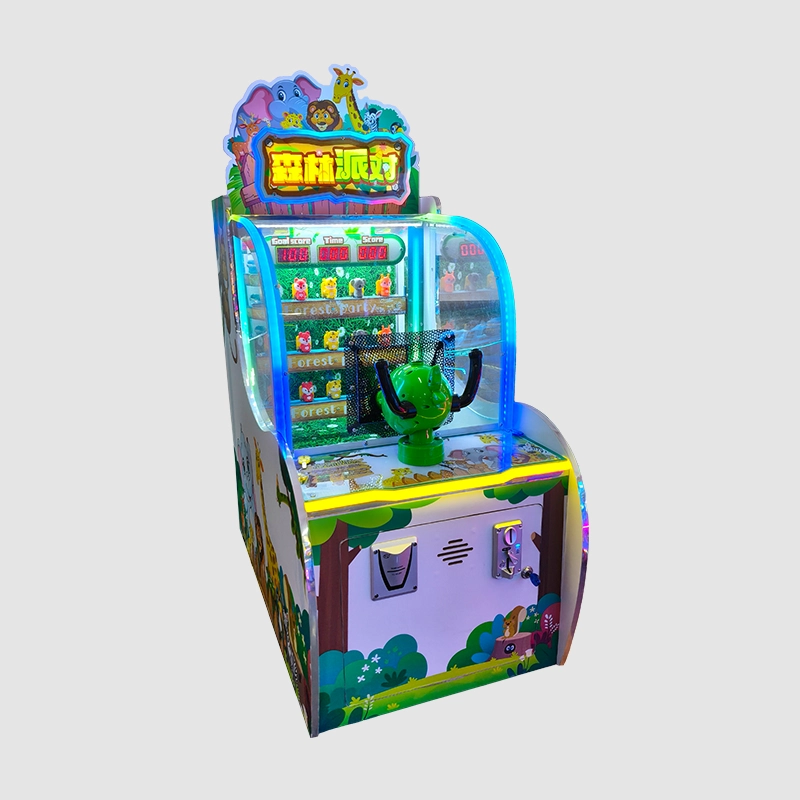
Marwey Factory Price Kids Ball Shooting Machine Coin Operated Ticket Redemption Arcade Game Machines
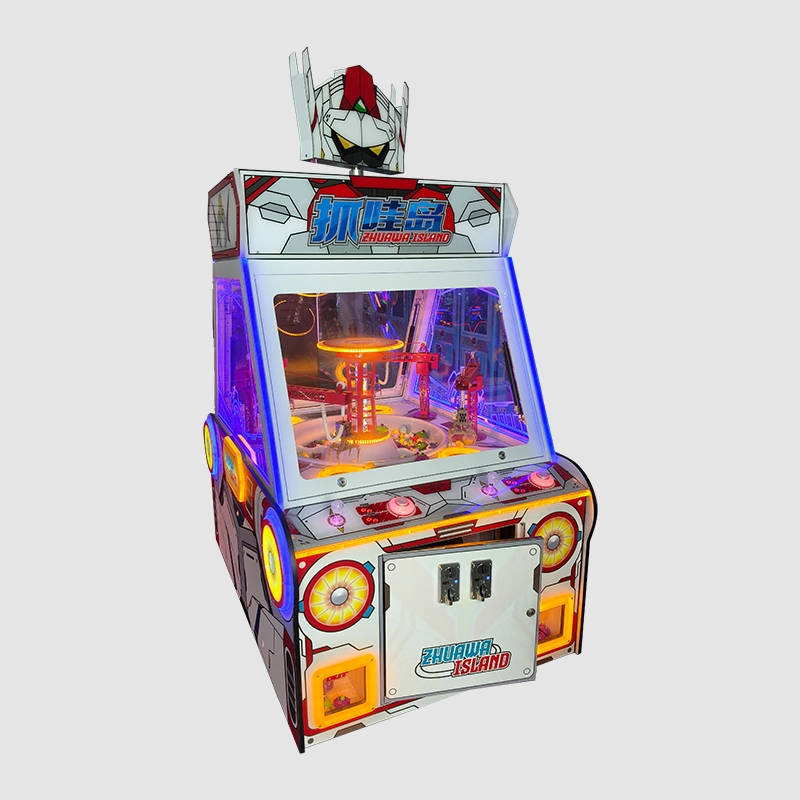
Marwey Personalized 4 Players Crane Arcade Machine Game Center Wholesale Customizable Gift Vending
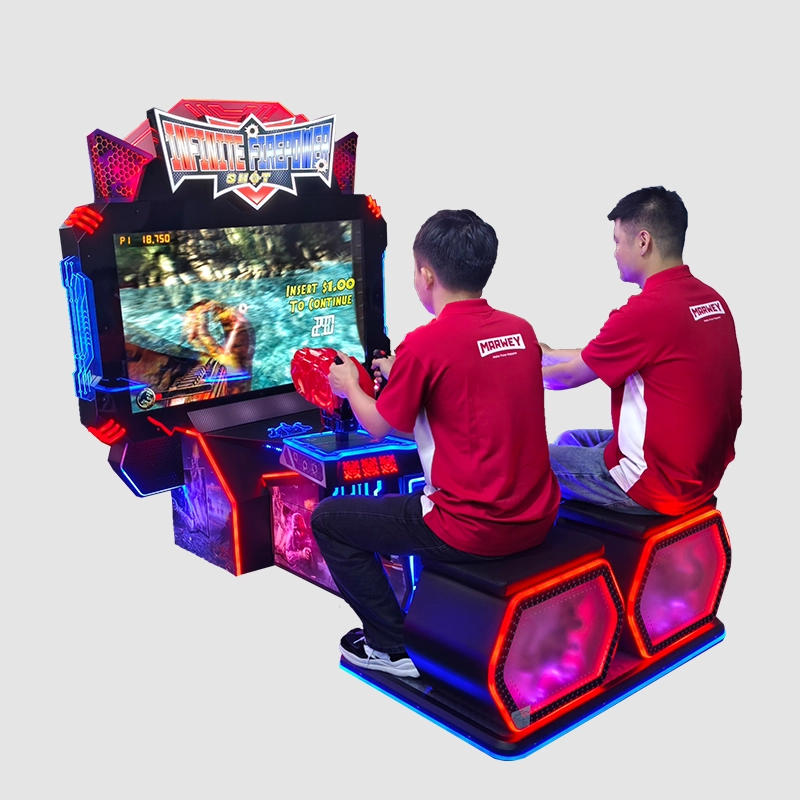
Marwey Cheap Factory Price Sale Shooting Arcade Machine Indoor Coin Operated 2 Players Gun Simulator
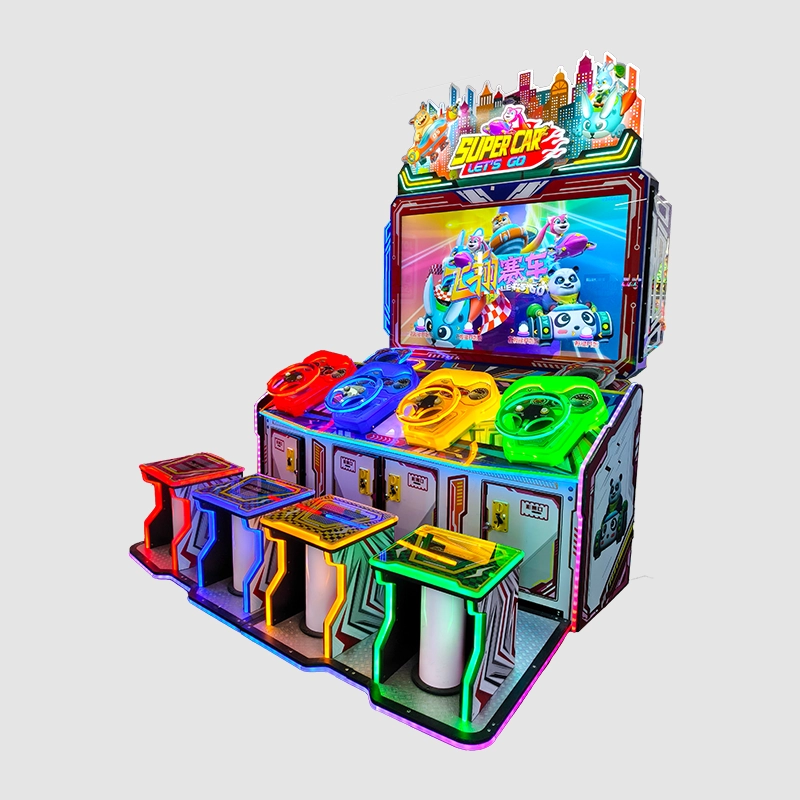
Marwey One Stop Wholesale Coin Operated 4 Person Car Racing Arcade Commercial Indoor Ticket Redemption Machine
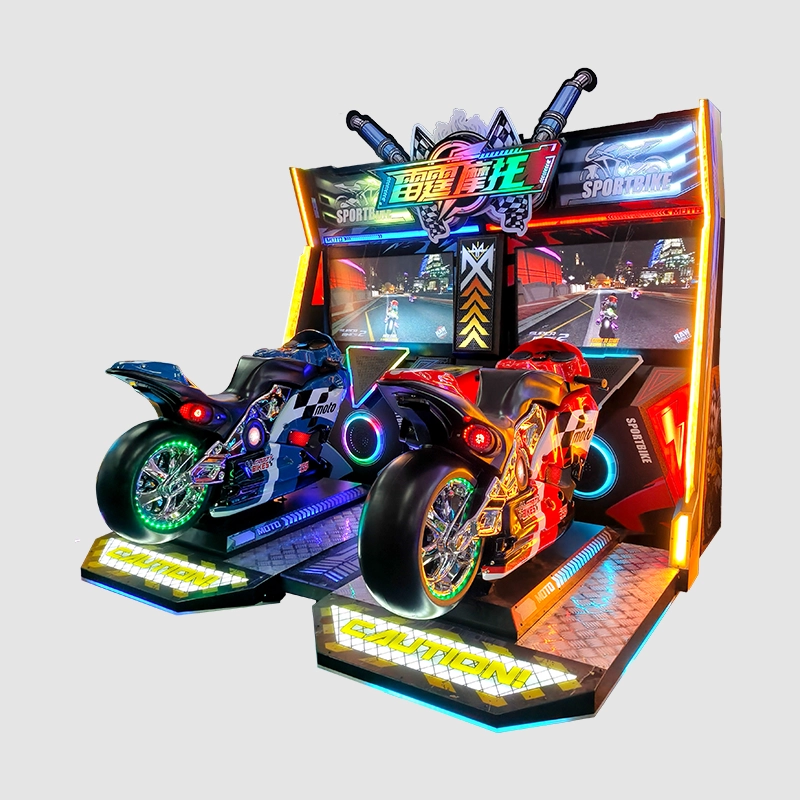
Marwey 2 Players Motorcycle Racing Arcade Machine Coin Operated Factory Cheap Wholesale Simulator
About Bowling Alley Solution
Can you create custom lane designs to match our venue's theme?
Yes, we specialize in complete customization - from lane graphics and lighting to specialized scoring systems. Recent projects include luxury hotel lanes, retro-themed alleys, and e-sports integrated systems.
What's the expected lifespan of your bowling equipment?
Our commercial-grade equipment is engineered for 10+ years of continuous operation. Many of our earliest installations from 2012 are still running successfully with proper maintenance.
Are your products certified for international markets?
All our equipment carries CE certification and meets ISO 9001 quality standards. We also comply with specific regional safety requirements for North America, Europe, and Middle East markets.
About after-sales support
How do you keep venues updated?
We regularly recommend new games and upgrades based on market trends to maintain customer engagement.
About logistics
What logistics options are available?
We support sea freight, LCL (less-than-container load), and DDP (delivery duty paid) to global destinations.
Looking to elevate your family entertainment center?
Whether starting new or upgrading, MARWEY has the solutions you need.
Founded in 2012. MARWEY is one of the top Chinese companies when it comes to providing new and modern equipment and complete solutions for arcades, digital sports venues, and theme parks. We have all the expertise you could need in the industry, and we deliver projects from design to operation in over 100 countries.
Contact us

info@marwey.com

+86 189 2218 4260

Room 202, 2nd Floor, 1st Staircase, Building E, Hengran Creative Park, Guangzhou, China.
© 2024 MARWEY. All Rights Reserved.





























































































MarweyArcade
Whatsapp: +8613512765586
MarweyArcade
marwey_arcade
arcademarwey
Marwey Amusement