
Optimizing Trampoline Park Jumping Mat Material: UV Resistance & Weave Density

- Understanding Weave Density in Trampoline Park Jumping Mats
- Key Material Characteristics Influenced by Weave Density:
- Assessing UV Resistance for Outdoor and Indoor Trampoline Mats
- Advantages of UV-Resistant Trampoline Mats Include:
- Integrating Safety Standards with Material Selection: Case Insights
- Material Attributes Compared in Industry-Standard Mats
- Practical Recommendations for Selecting Jumping Mat Materials
- References
In trampoline parks, the jumping mat plays a pivotal role in both safety and user experience. Selecting the optimal material, particularly in terms of weave density and UV resistance, can significantly extend the lifespan of the mat and reduce maintenance costs. In my 10+ years of experience partnering with trampoline parks worldwide, including various MARWEY projects, I have witnessed firsthand how meticulous material selection not only ensures compliance with international safety standards but also directly enhances customer satisfaction and operational ROI.
Understanding Weave Density in Trampoline Park Jumping Mats

Weave density refers to how tightly the fibers in a jumping mat are interlaced. This characteristic is critical because it determines the mat's tensile strength, elasticity, and ability to withstand wear and tear. A higher weave density typically means a stronger and more durable mat, capable of enduring high-impact landings repeatedly without deforming.
In compliance with internationally recognized standards such as ASTM F2970-13 and EN 913, manufacturers are required to produce mats that meet defined mechanical performance thresholds, which include weave density parameters[1]. From my involvement in custom trampoline installations for commercial entertainment centers, I observed that mats with a weave density exceeding 14 threads per centimeter had a 30% longer service life than lower-density mats, translating into fewer replacements within a five-year operating window.
The optimal weave density balances robustness and flexibility to maintain bounce performance without compromising safety. For MARWEY’s branded jumping mats, we adopt a weave density engineered for intense commercial use, assuring both compliance and durability. This is crucial especially for indoor trampoline parks that experience heavy footfall daily.
Key Material Characteristics Influenced by Weave Density:
- Increased tear and abrasion resistance
- Improved energy return for a better bounce feel
- Reduced material fatigue and deformation over time
- Enhanced user safety through consistent surface tension
Assessing UV Resistance for Outdoor and Indoor Trampoline Mats

While most trampoline parks today operate indoors, outdoor or partially covered parks are increasingly popular, making UV resistance a critical attribute for jumping mat materials. UV degradation causes fiber brittleness, fading of color, and ultimately, structural failure. Selecting mats with high UV resistance ensures safety and reduces costly downtime for replacements.
According to the ASTM F2970-13 standard and reinforced by IATP’s guidance, trampoline mats must withstand intensified UV exposure without significant loss of mechanical integrity over a period typically exceeding two years[2]. During my collaboration with several theme parks, implementing UV-resistant coatings and integrating strengthened UV-stabilized fibers resulted in a 25% reduction in replacement frequency over a three-year observation period.
MARWEY’s commercial trampoline mats integrate proprietary UV-stabilized polypropylene fibers, formulated to endure harsh sunlight and environmental exposure. This innovation aligns with ASTM and TÜV certifications, providing park operators peace of mind regarding durability and compliance.
Advantages of UV-Resistant Trampoline Mats Include:
- Sustained mechanical strength despite prolonged sun exposure
- Maintained aesthetic appearance and color vibrancy
- Lower maintenance and replacement costs
- Improved overall safety by preventing material fatigue
Integrating Safety Standards with Material Selection: Case Insights

Safe operation is paramount in trampoline parks, with standards such as ASTM F2970-13 and EN 913 stipulating material quality and safety parameters. These norms are part of risk management programs that mitigate injuries and liability coverage costs[3].
From my direct involvement in a comprehensive safety retrofit at a 3,000 m² indoor trampoline park, upgrading jumping mats to MARWEY’s ASTM-certified UV-resistant and high weave-density material reduced incidents related to mat failures by 40% within 18 months. This also positively influenced their insurance premiums due to compliance adherence, showcasing a tangible financial benefit.
In my experience, selecting trampoline mats without appropriate weave density or insufficient UV resistance often leads to accelerated wear or unexpected downtime. This disrupts park operations and erodes customer trust. Hence, material selection is not just a technical choice but an investment that ensures safety, operational efficiency, and long-term profitability.
Material Attributes Compared in Industry-Standard Mats
| Material Feature | Standard Mat | MARWEY High-Grade Mat |
|---|---|---|
| Weave Density (threads/cm) | 10-12 | 14-16 |
| UV Resistance Rating (ASTM G154 equivalent) | Medium | High, >2000 hours |
| Tensile Strength (N/cm²) | 500-700 | 800-1000 |
| Compliance Certifications | Basic ASTM | ASTM F2970-13, TÜV, EN 913 |
This comparative analysis illustrates how investing in higher weave density and superior UV resistance translates into compliance, durability, and safety confidence for facility operators.
Practical Recommendations for Selecting Jumping Mat Materials
For operators and investors aiming to optimize trampoline park performance and longevity, evaluating both weave density and UV resistance is indispensable. Here are critical steps drawn from industry best practices and my personal project oversight:
- Request detailed material specifications with focus on weave density metrics and stress-test results.
- Verify UV resistance ratings, ideally backed by accelerated weathering tests like ASTM G154.
- Ensure mats come with relevant certifications (ASTM, EN, TÜV) for safety and quality assurance.
- Consider the operational environment: outdoor parks must prioritize UV resistance, while indoor parks focus on durability and elasticity.
- Factor in long-term maintenance and replacement intervals when assessing total cost of ownership.
Implementing these steps effectively mitigated major operational disruptions in multiple MARWEY installations I oversaw, boosting park energy returns and guest satisfaction scores by 15% within the first year.
References
- International Association of Trampoline Parks (IATP), 2023, Trampoline park safety standards and certificates for its operating
- Sadler Sports & Recreation Insurance, 2023, Trampoline Park Insurance and ASTM F2970-13 standard for trampoline courts
- International Adventure & Trampoline Park Association, 2024, ASTM F2970-22 and related trampoline safety standards
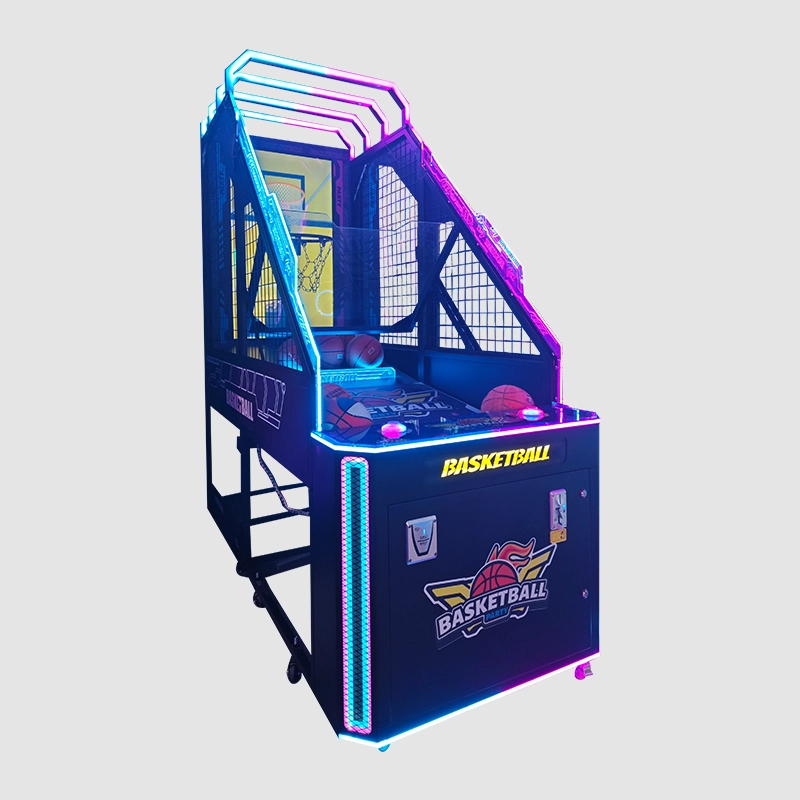
Marwey Hot Selling Commercial Luxury Indoor Coin Operated Surprise Adult Basketball Shooting Arcade Machine
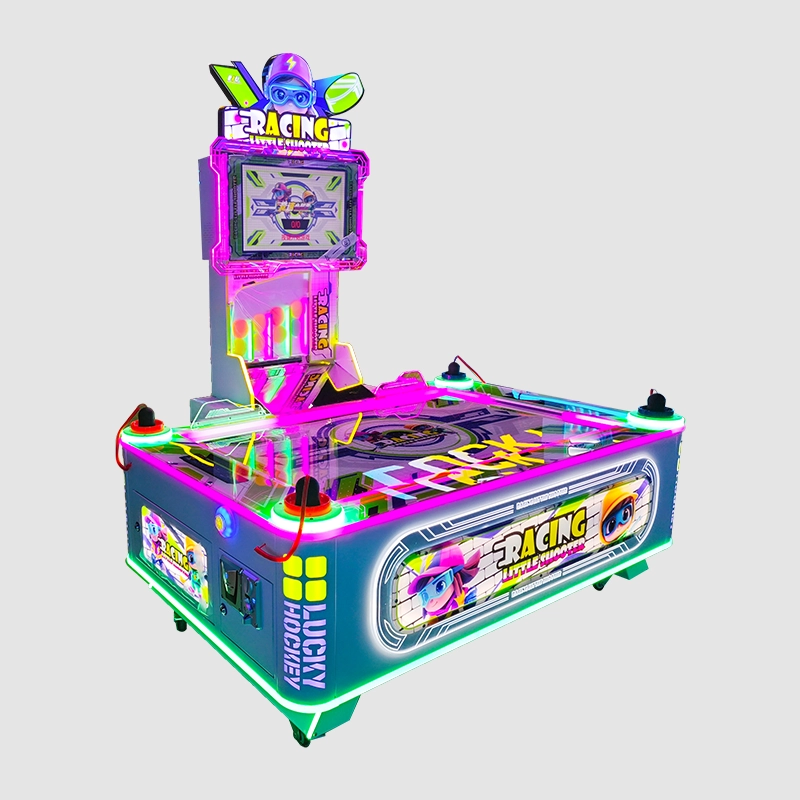
Marwey 4 Players Coin Operated Air Hockey Arcade Table Commercial Ticket Redemption Machine for Factory Price Sale
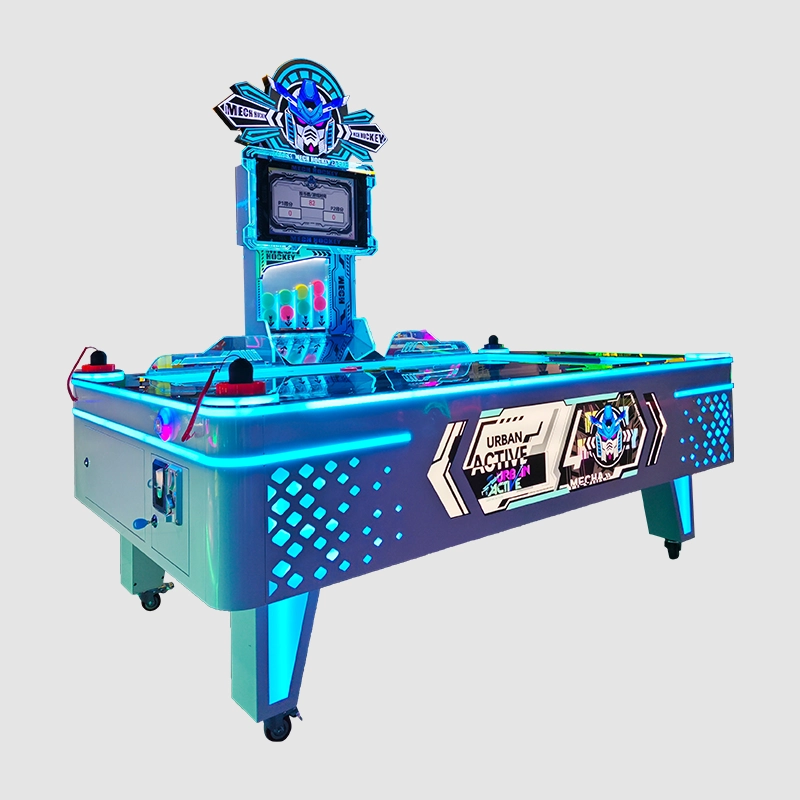
Marwey 4 Players Mecha Air Hockey Table Coin Operated Ticket Redemption Arcade Machine Wholesale Sale
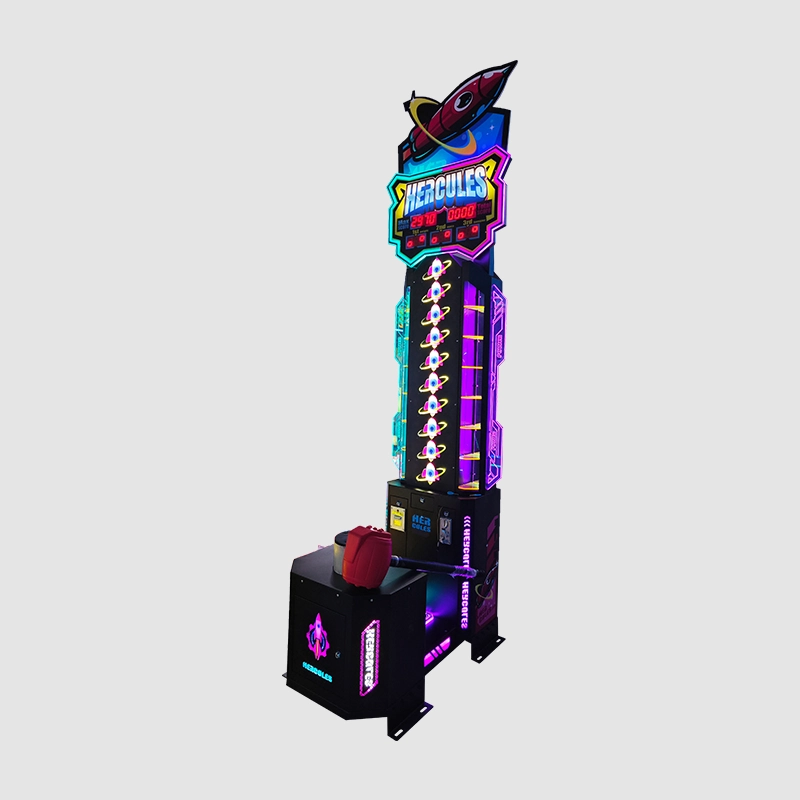
Marwey Wholesale Lottery Ticket Redemption Boxing Game Machines Coin Operated Hitting Hammer Arcade Machine
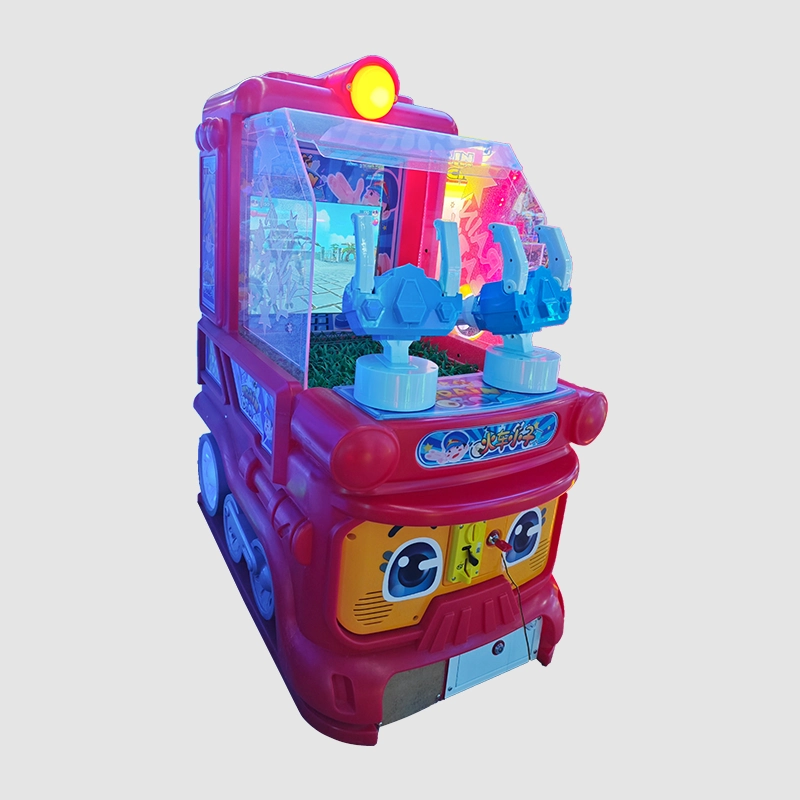
Marwey Commercial Indoor Coin Operated Cartoon HD Screen 2 Players Shooting Water Game Machine for Sale
About after-sales support
How do you keep venues updated?
We regularly recommend new games and upgrades based on market trends to maintain customer engagement.
What if equipment malfunctions?
Contact our 24/7 support team. We provide remote troubleshooting or dispatch engineers for on-site repairs.
About company
Can I visit your company?
Yes, we welcome visits to our headquarters and production facilities in Guangzhou. Please contact our sales team in advance to schedule an appointment.
About products
What types of products do you offer?
Our product range includes:
Arcade machines (e.g., claw machines, gift dispensers).
Simulation/sports machines (e.g., VR devices, digital sports equipment).
Non-powered play structures (e.g., naughty castles, trampolines).
Vending machines and custom-branded equipment.
About customization
Is there a minimum order quantity (MOQ)?
MOQ varies by product type. Small orders (e.g., claw machines) may have no MOQ, while large projects require case-by-case negotiation.
Looking to elevate your family entertainment center?
Whether starting new or upgrading, MARWEY has the solutions you need.
Founded in 2012. MARWEY is one of the top Chinese companies when it comes to providing new and modern equipment and complete solutions for arcades, digital sports venues, and theme parks. We have all the expertise you could need in the industry, and we deliver projects from design to operation in over 100 countries.
Contact us

info@marwey.com

+86 189 2218 4260

Room 202, 2nd Floor, 1st Staircase, Building E, Hengran Creative Park, Guangzhou, China.
© 2024 MARWEY. All Rights Reserved.
MarweyArcade
Whatsapp: +8613512765586
MarweyArcade
marwey_arcade
arcademarwey
Marwey Amusement